-Recovered-p-130x130q80.png)

February 25, 2026
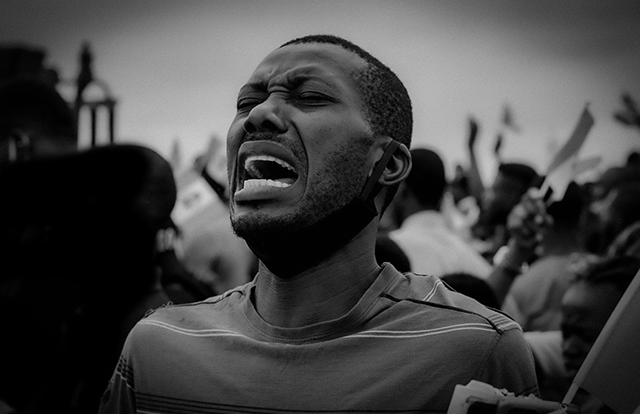
In January 2026, the South African film and television industry reached a breaking point.
After more than a year of stalled engagement, unanswered concerns and administrative paralysis around the DTIC Film and TV Incentive, industry professionals took collective action. The marches held in Cape Town and Pretoria were not spontaneous acts of protest. They were the result of sustained frustration, economic pressure and a system that had failed to respond to the realities on the ground.
For Milestone Visuals, these marches marked a critical moment of reckoning for an industry that has long been positioned as a cultural asset yet treated as an administrative afterthought.
The DTIC film incentive has historically been a cornerstone of South Africa’s attractiveness as a global production destination. It supported local production, drew international investment and sustained thousands of jobs across the value chain. When that system stalled, the impact was immediate and severe.
Production pipelines collapsed. International partners lost confidence. Local companies faced prolonged cash flow crises. Freelancers and crew members were left without work. What was initially framed as a temporary disruption evolved into systemic failure.
The absence of clear communication, predictable timelines and decisive reform created an environment of uncertainty that no industry can survive.
The January 2026 marches were a strategic response to institutional inertia. Organised across Cape Town and Pretoria, they represented a rare moment of unified action from a highly fragmented industry.
Actors, producers, writers, technicians, service providers, gear houses and small businesses stood together not to make noise, but to be seen. The message was consistent across all voices: without urgent reform of the film incentive, the South African film and television sector would face irreversible collapse.
This was not an emotional appeal. It was an economic and social argument grounded in data, lived experience and visible decline.
At Milestone Visuals, we view the film and television industry as an ecosystem rather than a niche creative sector. Its health directly affects tourism, hospitality, logistics, post production, technology and small business development.
When productions shut down, the ripple effect is felt far beyond sets and studios. Drivers lose contracts. Caterers lose income. Accommodation providers lose bookings. Equipment houses downscale or close. Skills developed over decades are lost to other industries or other countries.
The January marches forced this reality into public view.
One of the most damaging consequences of the incentive breakdown has been the erosion of South Africa’s reputation as a reliable production destination. Global studios and financiers depend on certainty. Delays and inconsistency signal risk, and risk drives investment elsewhere.
Rebuilding that trust requires more than statements of intent. It requires structural reform, accountability and the political will to treat the creative economy as a serious contributor to national growth.
The marches made it clear that the industry is no longer willing to absorb the cost of indecision in silence.
Perhaps the most significant outcome of the January 2026 marches was the emergence of a visibly united industry. Historically divided by discipline, geography and scale, the sector found common ground in survival.
This unity shifted the conversation. What had been internal industry grievances became a national discussion about policy failure, job losses and economic neglect. The marches demonstrated that collective action, when disciplined and focused, can reframe power dynamics.
The January 2026 marches were not the conclusion of the movement. They were the turning point.
Their most significant achievement was securing a formal engagement at the highest level of governance. On 17 February 2026, leaders of the Save SA Film Jobs initiative will present the industry’s case directly to Parliament, placing the crisis of the film and television sector firmly on the national agenda.
This step marks a critical escalation from public demonstration to institutional accountability. It reflects the effectiveness of the January marches in forcing recognition of the issue as a matter of economic, cultural and social importance rather than a niche industry complaint.
For the South African film and television sector, Parliament now becomes the next battleground for reform. The January marches stand as a collective achievement that transformed frustration into momentum and positioned the industry for decisive engagement at the centre of power.
The next stop is Parliament.